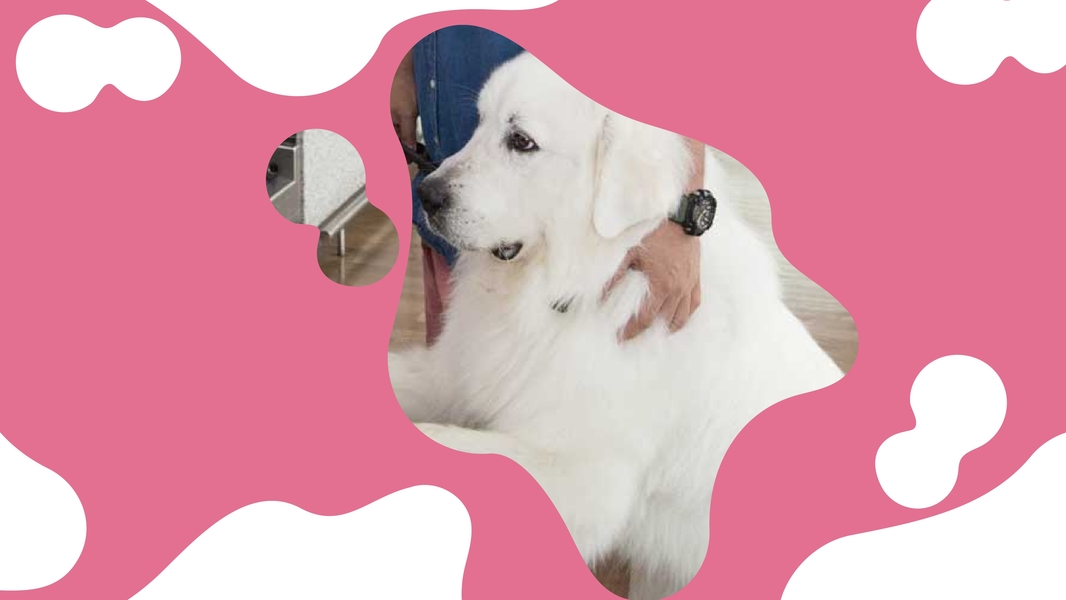
Moving to a new home is a significant change for everyone, including your beloved pet. Long-distance relocations can be particularly stressful for pets, so it’s essential to plan and prepare to ensure a smooth transition. Using a professional pet relocation service can ease the process, but there are several steps you can take on your own to make the move less stressful for your furry friend.
1. Start Early and Plan Ahead
Begin preparing your pet well in advance of the move. The earlier you start, the more time you’ll have to make adjustments and address any issues that arise. A professional pet relocation service can offer valuable guidance and support during this period. They can assist with creating a tailored moving plan that addresses your pet’s specific needs.
2. Visit the Veterinarian
Book an appointment with your veterinarian to check if your pet is healthy before you move. Talk to your vet about the move and get tips on how to keep your pet healthy during this change. Check that your pet’s vaccinations are up-to-date, and get a copy of its health records. These will come in handy if you need to see a new vet where you’re moving.
3. Update Identification
Ensure your pet’s identification is up-to-date. This includes having a collar with an ID tag that has your current contact information. Also, think about getting your pet microchipped if they don’t have one yet. This gives you another way to keep them safe and helps you find them easier if they get lost while you’re moving.
4. Create a Comfortable Travel Environment
If you are working with a pet relocation service, they will typically provide a good-quality and safe travel cage for your pet. However, if you are handling the relocation yourself, purchase a crate that is ventilated, roomy, and familiar to your pet. Make sure to place a soft toy or blanket inside to help calm the pet and reduce anxiety.
5. Familiarize Your Pet with the Crate
Introduce your pet to their travel crate well before the move. Leave the crate open in your home and place treats, toys, and their bedding inside. This will help your pet associate the crate with positive experiences and reduce stress when it’s time to travel.
6. Maintain a Routine
Pets thrive on routine, so try to maintain their regular schedule as much as possible during the moving process. Stick to their feeding, exercise, and playtime routines to help them feel secure and minimize anxiety. If you’re using a pet relocation service, they can help ensure that your pet’s routine is maintained throughout the move.
7. Prepare for Arrival at the New Home
Once you arrive at your new home, set up a designated space for your pet with their familiar items, such as their bed, toys, and food bowls. This will help them adjust to the new environment more quickly. If you’re using a pet relocation service, they can assist with setting up this space and making sure your pet’s transition is as smooth as possible.
8. Monitor Your Pet’s Behavior
Post-relocation, pay closer attention to your pet’s behavior. Watch out for any behavioral problems, such as stress or discomfort, based on changes in food intake, excessive barking or meowing, or hiding. Please let your veterinarian know about any symptoms of concern for help.
Ensure a Smooth Transition with Expert Assistance
Preparing your pet for a long-distance move requires careful planning and attention to detail. A professional pet relocation service like Petdel Movers can make the process easier and less stressful for both you and your pet. They offer comprehensive services to ensure your pet’s safe and comfortable journey to your new home.
For expert assistance with your pet’s relocation, contact Petdel Movers. Their team of professionals is dedicated to providing the highest level of care and support for your pet throughout the moving process. Let them handle the logistics so you can focus on settling into your new home. Your pet’s comfort and well-being are their top priorities.
Also read – Dog Transportation Tips For Your Long-Distance Move